

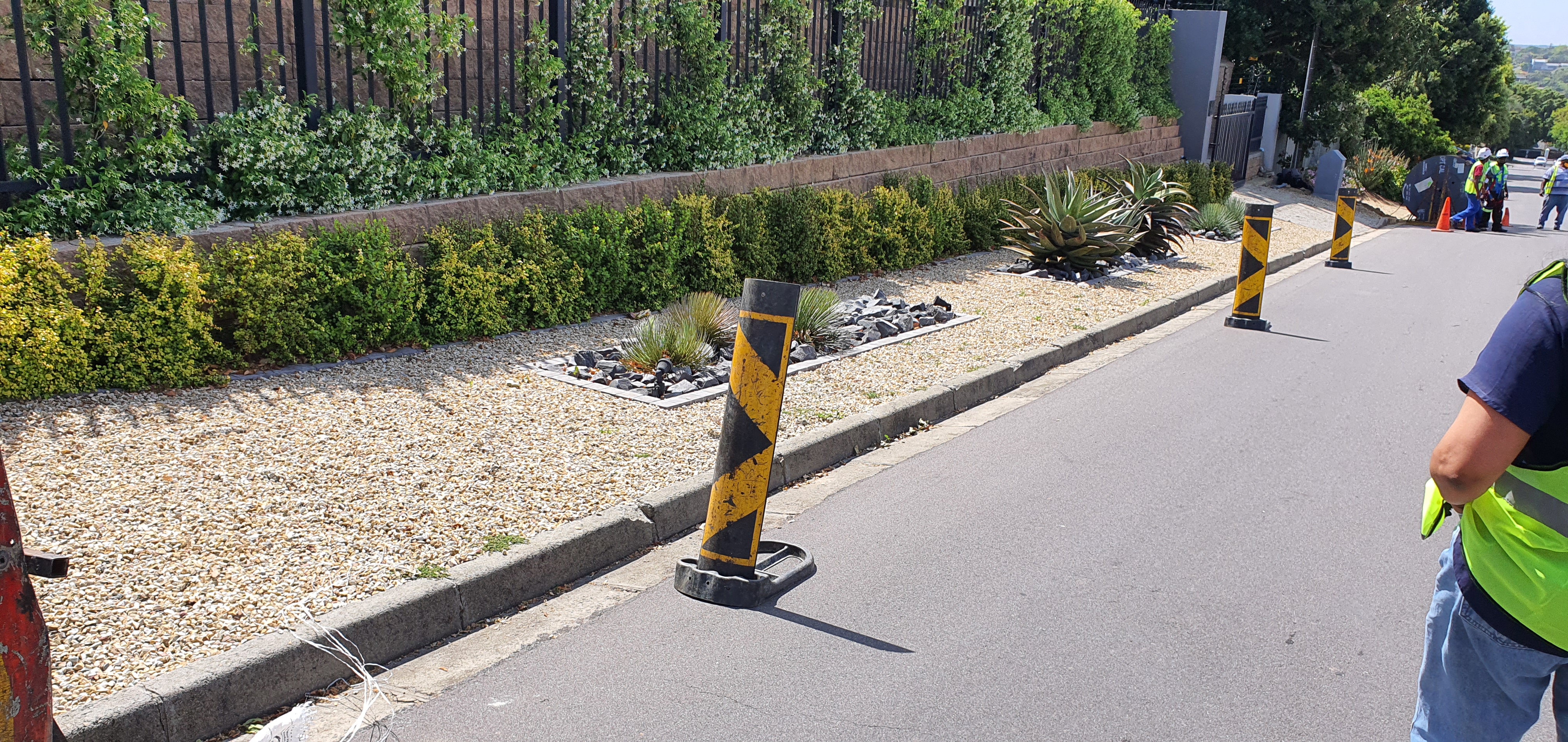
Transmission Equipment Implementation
Installing and configuring transmission equipment can be a complex process that requires careful planning and attention to detail. Throughout the installation and configuration process, it's crucial to adhere to industry standards and guidelines to ensure the reliability, security, and efficiency of the transmission equipment. Additionally, consulting with experts or the equipment manufacturer can provide valuable insights and assistance during the installation and configuration process.
1. Planning and Preparation:
• Understand the network requirements and specifications.
• Identify the location for the installation, considering factors like accessibility, power supply, and environmental conditions.
• Ensure all necessary tools and equipment are available for the installation.
2. Physical Installation:
• Mount the transmission equipment in the designated location, following the manufacturer’s guidelines and best practices.
• Connect power and grounding according to the equipment specifications and safety standards.
• Install necessary cooling and ventilation systems to prevent overheating.
3. Connectivity Setup:
• Establish connections between the transmission equipment and the network infrastructure.
• Configure network interfaces, ensuring compatibility with existing network components.
• Set up physical connections, such as cables and connectors, and verify their integrity.
4. Configuration and Integration:
• Access the device’s configuration interface using a computer or other appropriate device.
• Configure IP addresses, protocols, and other relevant settings to ensure seamless integration with the network.
• Implement necessary security measures, such as firewalls and access controls, to protect the network from unauthorized access and potential threats.
5. Testing and Verification:
• Conduct comprehensive testing to ensure the transmission equipment operates as expected.
• Verify data transmission quality, bandwidth, and latency to guarantee optimal network performance.
• Troubleshoot any issues that arise during the testing phase and make necessary adjustments to the configuration.
6. Documentation and Maintenance:
• Document all installation and configuration procedures for future reference and troubleshooting.
• Create a maintenance schedule to regularly inspect and update the transmission equipment to prevent potential issues and ensure longterm reliability.
7. Training and Support:
• Provide training to relevant personnel on how to operate and maintain the transmission equipment.
• Establish a support system to address any technical issues or concerns that may arise during the operation of the equipment